
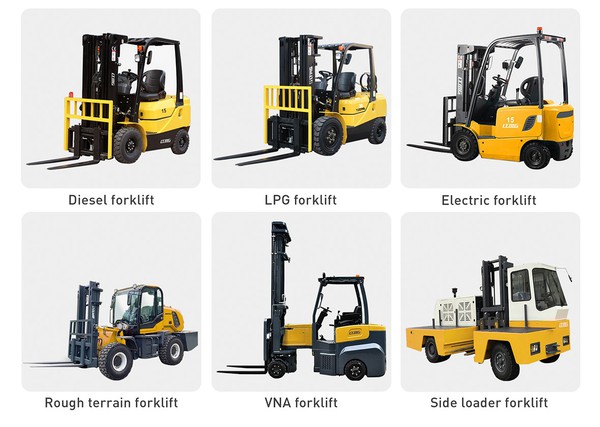
In the field of material handling, choosing the right forklift is crucial to improving work efficiency and ensuring safety. Off-road forklifts and ordinary forklifts each have their own characteristics and application scenarios. This article will explore the definition, application, design differences of these two forklifts, and how to choose a forklift suitable for a specific task.
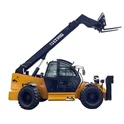
What is an all-terrain forklift?
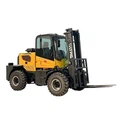
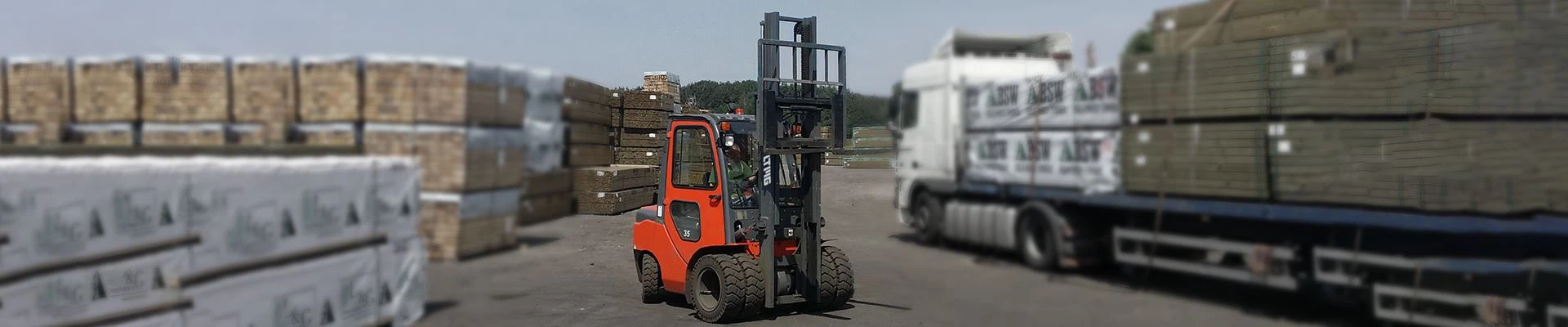
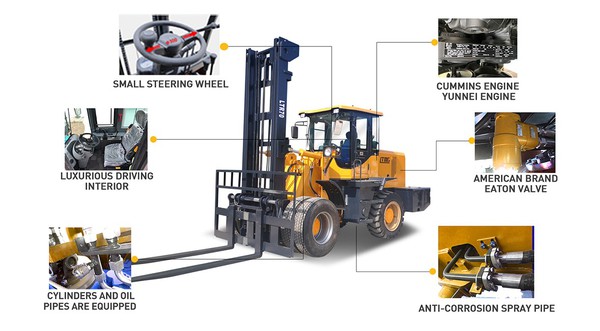
- An all-terrain forklift, also known as an off-road forklift, is a forklift designed to work on uneven ground or in a variety of terrain conditions. They have the following characteristics:
- Multi-terrain adaptability: can easily cope with complex terrains such as mud, sand, snow, etc.
- High traction and stability: equipped with wide low-pressure tires to provide better adhesion.
- Strengthened structure: The structural design can withstand shock and vibration in harsh environments.
Application of all-terrain forklifts
- Construction sites: handling construction materials and equipment.
- Outdoor warehousing: Carrying goods in uneven outdoor warehouses.
- Agricultural applications: Handling agricultural products or agricultural machinery in farmland.
- Emergency rescue: Quickly deliver relief supplies when natural disasters occur.
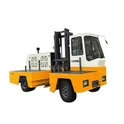
What is an Conventional forklift?
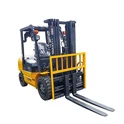
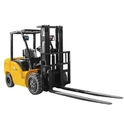
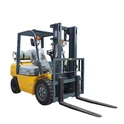
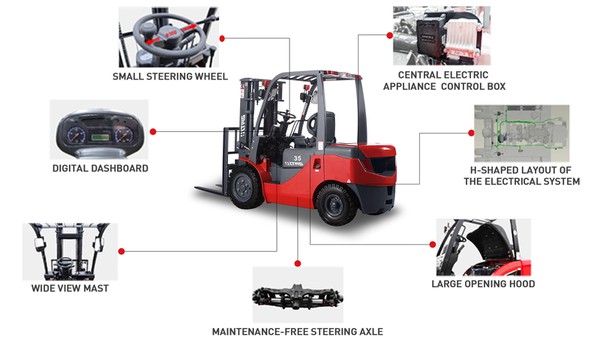
- Conventional forklifts, also known as counterbalanced forklifts, are the most common forklift models and are designed to work on flat hard surfaces indoors or outdoors. Their features include:
- Easy to operate: Suitable for fast, frequent cargo handling tasks.
- Cost-effective: Relatively low purchase and maintenance costs.
- Flexibility: Suitable for working environments with narrow aisles and limited space.
-
Applications of Conventional forklifts
- Warehouses and distribution centers: For daily storage and retrieval of goods.
- Retail stores: Loading and unloading goods and restocking shelves.
- Factories and workshops: Moving raw materials and finished products during the production process.
Differences in design and use of all-terrain forklifts& conventional forklifts?
The main differences in design and use between off-road forklifts and conventional forklifts include:
- Tire type: Off-road forklifts use wide, low-pressure tires, while conventional forklifts use narrower, high-pressure tires.
- Suspension system: Off-road forklifts are usually equipped with better suspension systems to absorb shocks.
- Power system: Off-road forklifts may be equipped with more powerful engines to provide additional traction.
- Load capacity: Regular forklifts may have a lower load capacity, while off-road forklifts are designed to carry heavier loads.
The decision to choose an off-road forklift or a ordinary forklift should be based on the following factors:
- Work environment: Ground conditions and the location of the job are key to determining the type of forklift.
- Task requirements: Consider the type and weight of the cargo being moved.
- Cost-effectiveness: Evaluate the purchase cost, operating cost, and maintenance cost of the forklift.
- Safety: Make sure the forklift can complete the job safely.
Choosing the right forklift is crucial for the following aspects:
- Work efficiency: The right forklift can increase the speed and efficiency of the job.
- Safety: Reduce the risk of the job and ensure the safety of the operator and those around.
- Equipment life: Avoid excessive wear and early failure caused by an unsuitable forklift.
- Compliance: Ensure compliance with regulations and standards for the specific work environment.
All-terrain forklifts and regular forklifts each have their own advantages and applicable scenarios. Understanding their features and applications, as well as the differences in their design and use, can help you make an informed choice. The right choice can not only improve work efficiency, but also ensure work safety and reduce long-term operating costs. As a forklift manufacturer with more than 20 years of industry experience, exported to more than 180 countries and more than 150,000 customer users, LTMG Machinery Group provides you with professional solutions. Welcome to contact us to learn more!