
In construction, agriculture, and various demanding outdoor environments, both rough terrain forklifts and telescopic forklifts are common sights for material handling. While both can navigate challenging ground and lift heavy loads, are they fundamentally the same machine with different names, or do they serve distinct purposes? Understanding the key differences between these two powerful pieces of equipment is crucial for making the right choice, optimizing operations, and ensuring site safety.
Understanding the Machines
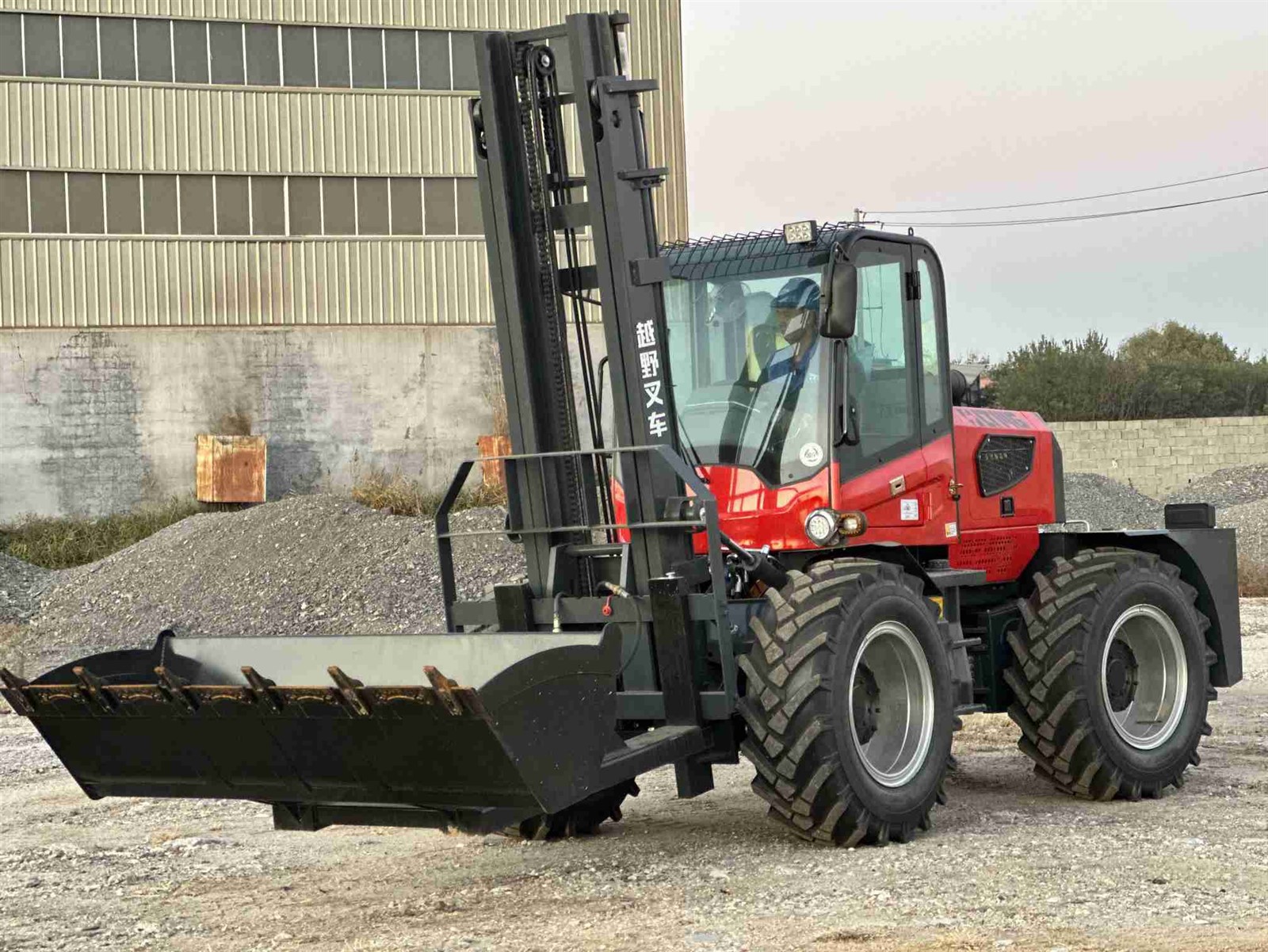
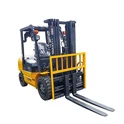
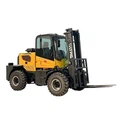
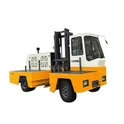
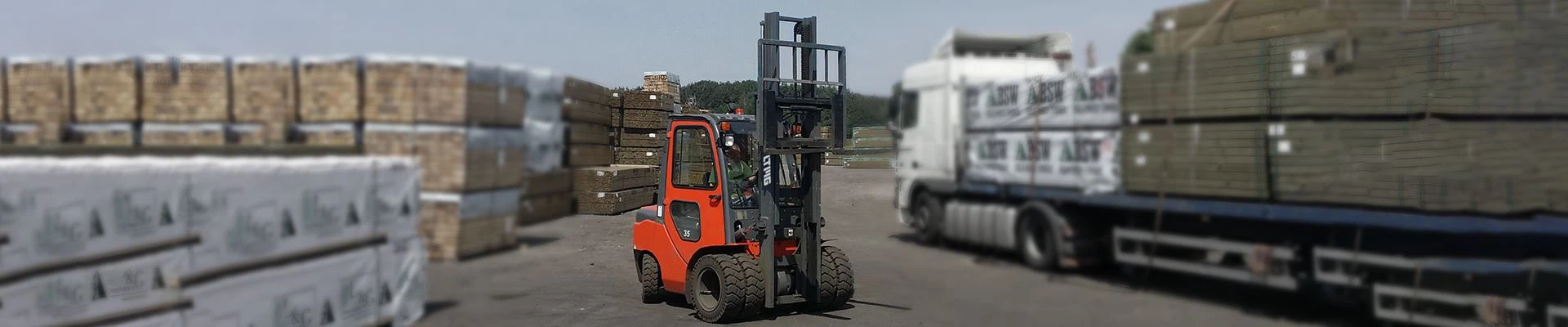
This is a specialized forklift built for uneven, unpaved surfaces. It features a rugged frame, large tires, and powerful engines, often with four-wheel drive, providing excellent traction on mud, sand, or slopes. Its primary role is vertical lifting and short-distance horizontal transport of heavy loads, much like a standard forklift but with enhanced off-road capabilities.
Telehandler (Telescopic Forklift):
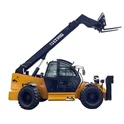
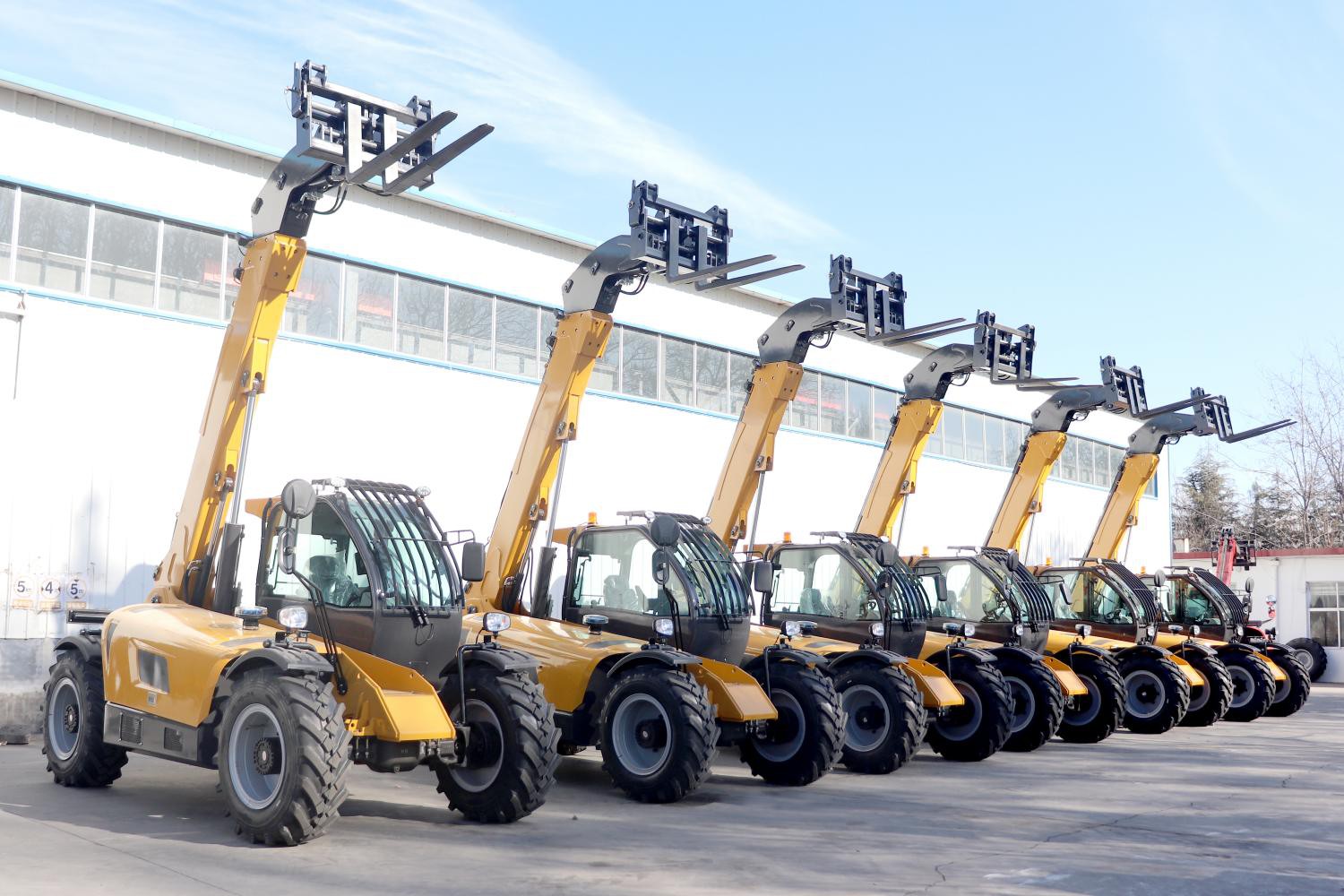
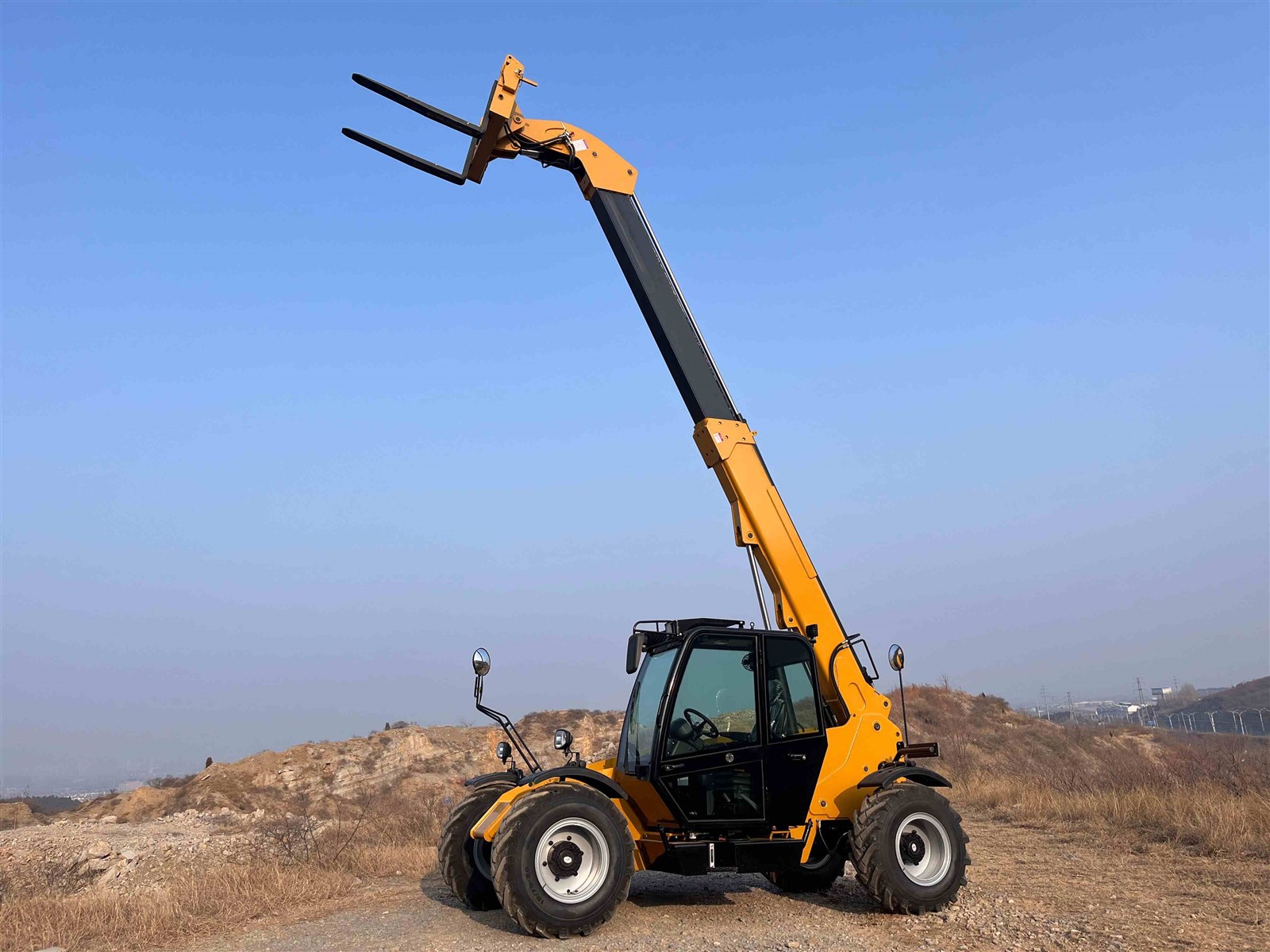
A telehandler can be seen as a combination of a forklift, a crane, and an aerial work platform. Its defining feature is a telescopic boom that can extend both forward and upward, offering significant reach and height. The boom's end can be fitted with various attachments, making the telehandler incredibly versatile.
Key Differences: Where They Diverge
While both machines excel at off-road material handling, their design and functional emphasis set them apart:
1. Core Functionality: Vertical Lift vs. Versatile Reach
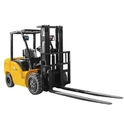
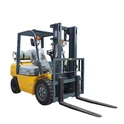
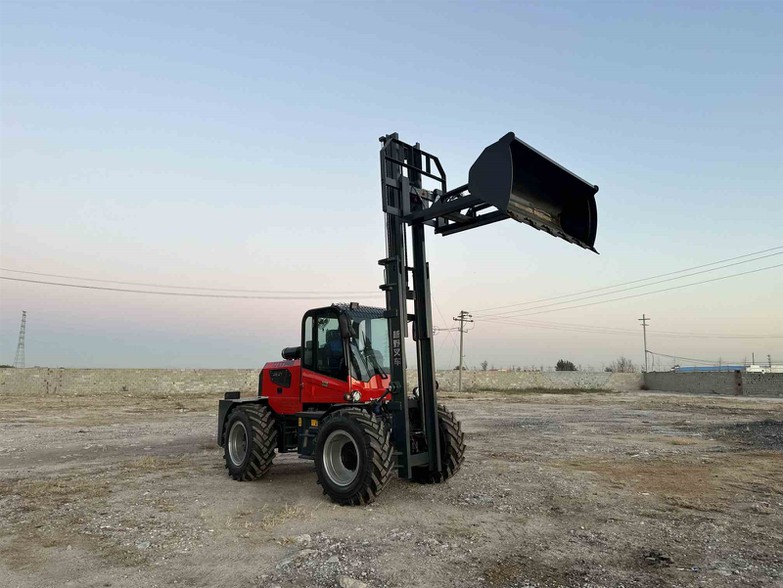
- Rough Terrain Forklift: This machine specializes in vertical lifting. Its main purpose is to lift loads straight up and down, even in challenging outdoor conditions. It focuses on efficiently moving materials directly in front of the machine.
- Telescopic Forklift: The telehandler is designed for extended reach and multi-directional placement. Its telescopic boom allows it to lift loads not just vertically, but also forward and over obstacles. This makes it ideal for placing materials onto higher floors, across trenches, or into hard-to-reach areas that a standard forklift simply cannot access. It emphasizes precise placement at height and distance.
2. Boom Structure: Mast vs. Telescopic Arm
- Rough Terrain Forklift: Uses a traditional vertical mast to raise and lower the forks. The load always stays close to the machine's front.
- Telescopic Forklift: Features a distinctive single telescopic boom that extends outwards like a crane arm, providing considerable horizontal and vertical outreach. This structural difference is key to the telehandler's unique capabilities.
3. Attachment Versatility
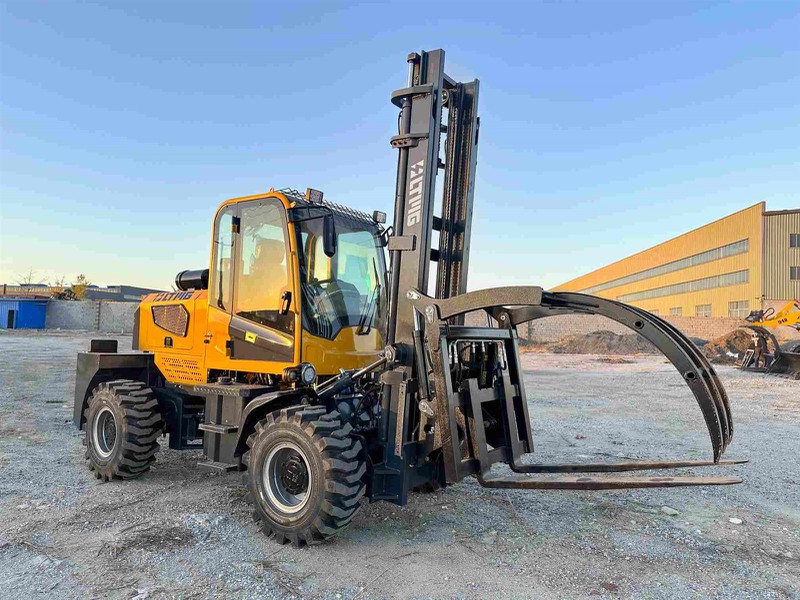
- Rough Terrain Forklift: Primarily uses forks for palletized loads. Its versatility is generally limited to its core forklift function.
- Telescopic Forklift: Excels in this area. Its boom end is designed for quick attachment changes, allowing it to transform into various machines. Common attachments include forks, buckets (for loose materials), jibs/hooks (for lifting suspended loads), and work platforms (for elevating personnel). This adaptability means one telehandler can often replace multiple single-purpose machines on a job site.
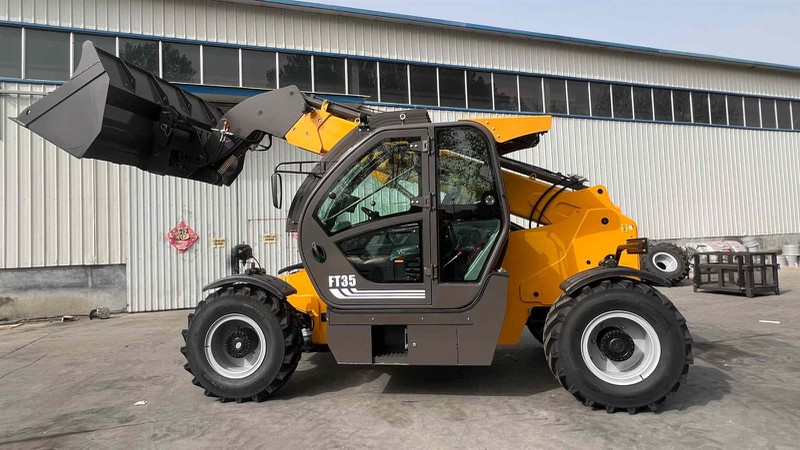
Telescopic Forklift with Bucket
Rough Terrain Forklift With Grapple
4. Operational Range and Flexibility
- Rough Terrain Forklift: Operates mainly in front of the machine. Its working envelope is confined to the area directly in front of its mast. While great off-road, its lifting motion is strictly vertical.
- Telescopic Forklift: Offers a much broader operational range. Its boom can extend outwards, allowing it to reach over obstacles, into windows, or onto roofs. This extended reach and variable angle make it significantly more flexible for precisely placing materials at a distance or height.
Conclusion: Distinct Tools, Complementary Roles
In summary, a rough terrain forklift and a telehandler are not the same device. They have distinct differences in design philosophy, core function, and operational focus.
- The rough terrain forklift is the specialized choice for efficient vertical lifting and short-distance heavy material transport on rugged terrain.
- The telescopic forklift is a versatile, all-in-one machine for high-reach, long-reach, and multi-functional material handling.
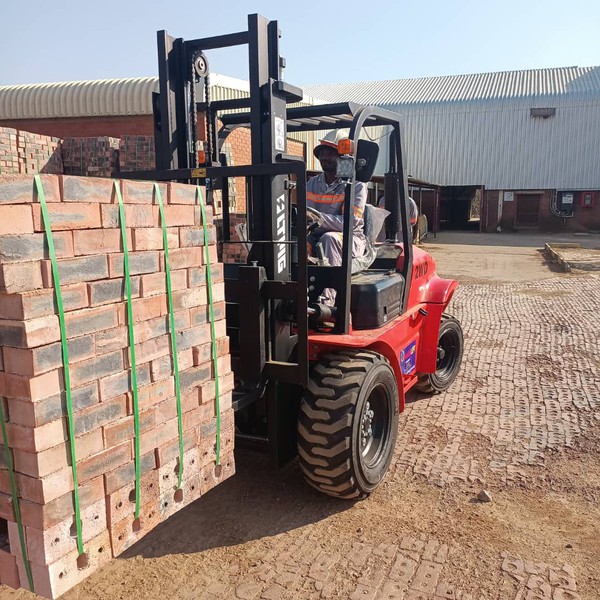
Feedback from Customer
Understanding these distinctions is vital for users to select the most appropriate equipment for their specific operational needs, maximizing efficiency, ensuring safety, and optimizing their investment.