
With the rise of global fresh e-commerce, the refined transportation of pharmaceutical products, and the flourishing international food trade, the cold chain logistics market is expanding at an unprecedented pace. This specialized sector imposes stringent demands on temperature control, efficiency, and reliability, thereby spurring a "hardcore" need for specialized logistics machinery that must demonstrate exceptional performance in extreme environments.
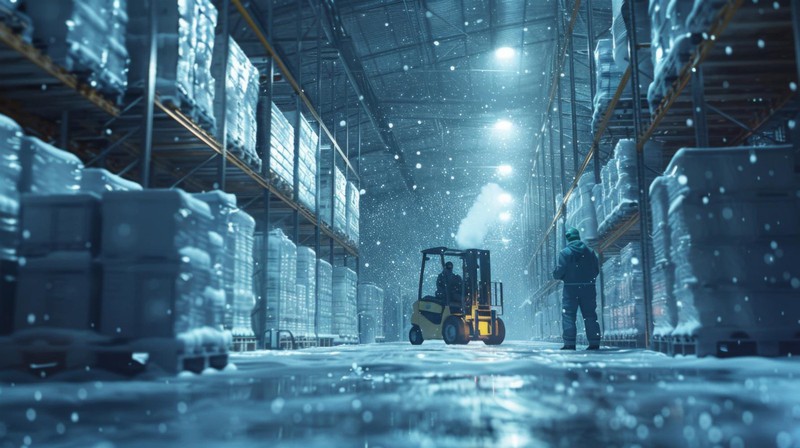
Market Background: Explosive Growth and Harsh Cold Chain Environments
Cold chain logistics is a critical link in preserving the quality of perishable and sensitive goods such as food, pharmaceuticals, flowers, and chemicals. Consumer embrace of fresh e-commerce, the global circulation of vaccines and biologics, and ever-increasing food safety standards have all contributed to a surge in the cold chain market.
However, cold chain operations face unique and severe challenges:
- Extreme Low Temperatures: Cold storage environments typically range from -18°C to as low as -50°C, requiring logistics machinery to operate stably without being affected by the cold.
- High Humidity and Icing: High humidity within the warehouse can lead to equipment icing, affecting operation and safety.
- Energy Efficiency: Frequent entry and exit from cold storage can cause energy loss, and the equipment's energy consumption must be strictly controlled.
- Safety and Compliance: In low-temperature environments, there are higher safety requirements for forklifts and operators, alongside strict adherence to food and pharmaceutical storage standards.
Specialized Equipment: Forging Performance in Extremes
To meet these challenges, logistics machinery manufacturers are continuously developing and optimizing specialized cold chain equipment:
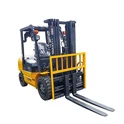
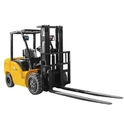
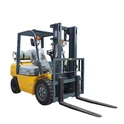
- Cold Storage Forklifts: These are core cold chain equipment. They employ special materials and processes to prevent low-temperature embrittlement; feature anti-condensation designs to prevent moisture damage to electrical and hydraulic systems; are equipped with custom low-temperature batteries (such as low-temperature lithium batteries) to ensure stable power and output in extreme cold; and some forklifts even include heated cabins for enhanced operator comfort.
- High-Rack Stackers and Very Narrow Aisle (VNA) Forklifts: Key to achieving high-density storage in limited cold storage spaces. These machines require excellent vertical lifting capabilities and precise positioning functions while withstanding the challenges posed by low temperatures.
- Automated Storage and Retrieval Systems (AS/RS for Cold Storage): This represents the ultimate solution for modern cold chains. Through automated stacker cranes and shuttle systems, goods can be stored and retrieved efficiently and autonomously in extremely low temperatures, minimizing personnel exposure, reducing energy consumption, and increasing storage density.
- Smart Monitoring and Management Systems: Integrating sensors and IoT technology, these systems real-time monitor equipment status, battery health, and in-warehouse environmental data, enabling predictive maintenance and intelligent dispatching to ensure an uninterrupted cold chain.
Global Market: Demand Drives Technological Advancement
Globally, the demand for specialized cold chain logistics machinery is continuously growing. European and North American markets lead in cold chain technology and equipment investment, showing strong demand for efficient and energy-saving automated cold storage systems. Asia, particularly China, with its booming fresh e-commerce and pharmaceutical distribution, is becoming a new growth pole for cold chain logistics equipment, with both local manufacturers and international brands increasing R&D investment.
Innovations in specialized logistics machinery not only ensure the quality and safety of perishable goods but also, through automation and efficiency gains, save costs and reduce energy consumption for global cold chain operations, driving the entire industry towards green and sustainable development.