

In the context of rapidly evolving global supply chains, surging e-commerce demands, and labor shortages, the automation upgrade of smart warehouse equipment is becoming a critical factor for enhancing efficiency and resilience in logistics hubs worldwide. This transformation is not merely about technological innovation but represents a profound shift in management philosophy and operational models.
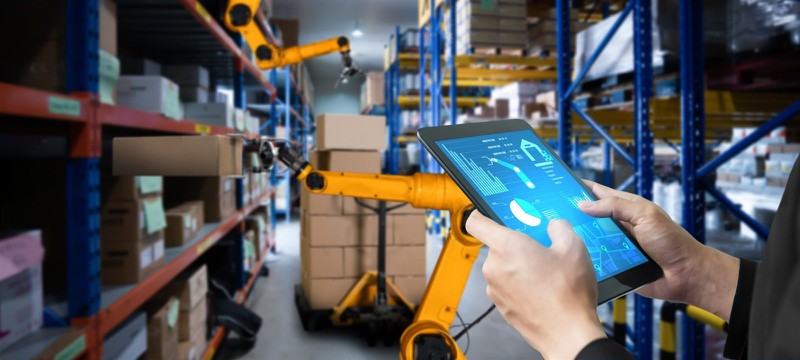
Global Trend: Automation Upgrade is Irresistible
In recent years, global investment in smart warehouse equipment has seen explosive growth. North America and Europe, as pioneers in automation technology, are actively deploying Automated Storage and Retrieval Systems (AS/RS), shuttle systems, and advanced Automated Guided Vehicles (AGVs) / Autonomous Mobile Robots (AMRs) to meet increasing throughput and rapid fulfillment demands. Asian markets, particularly China and India, benefiting from the rapid development of e-commerce, are becoming hotspots for automated warehouse construction, with especially strong demand for sorting systems and robotic picking solutions.
The factors driving this upgrade are multifaceted. Firstly, the thriving growth of e-commerce necessitates higher demands for logistics efficiency and accuracy. Secondly, global labor shortages and rising labor costs compel businesses to seek automated alternatives. Furthermore, "black swan" events like the pandemic have exposed the fragility of traditional supply chains, prompting companies to invest in smart warehouse equipment to enhance their supply chain's resilience and responsiveness.
Core Technologies: The "Brain" and "Skeleton" of Smart Equipment
The automation upgrade of smart warehouse equipment relies on key supporting technologies:
- Robotics (AGVs/AMRs): These autonomous mobile robots can flexibly navigate warehouses, performing tasks such as material handling, picking, and stacking. They significantly reduce labor costs and improve operational accuracy. Their integration with collaborative robots further enables highly efficient human-robot collaboration.
- Automated Storage and Retrieval Systems (AS/RS) and Shuttle Systems: These represent the future of high-density storage. AS/RS maximizes the use of vertical warehouse space for rapid automated storage and retrieval of goods, while shuttle systems, with their high speed and flexibility, are ideal for high-turnover industries like e-commerce and cold chain.
- Artificial Intelligence (AI) and Internet of Things (IoT): AI algorithms optimize warehouse layouts, picking paths, and inventory management, enabling truly "smart" decision-making. IoT technology connects all warehouse equipment, allowing real-time collection of operational data to support predictive maintenance and operational optimization.
- High-Speed Sortation Systems: These meet the demand for rapid sorting of massive package volumes, forming an indispensable component of express delivery and e-commerce logistics.
Value Realization: Efficiency, Resilience, and Sustainability
The automation upgrade of smart warehouse equipment brings multi-dimensional value:
- Significantly Enhanced Operational Efficiency: Automated systems can operate 24/7 without interruption, handling volumes far exceeding manual capabilities and drastically shortening order fulfillment times.
- Increased Supply Chain Resilience: Reduced reliance on manual labor lessens the impact of external factors like pandemics or labor shortages, ensuring stable logistics operations.
- Cost Optimization and Efficient Resource Utilization: Improved storage density reduces space waste; predictive maintenance lowers equipment failure rates; optimized energy consumption aligns with green logistics trends.
- Improved Operational Safety: Robots replace human labor in hazardous areas, reducing human error and minimizing accident risks.
Future Outlook: Digital Twins and Global Smart Interconnectivity
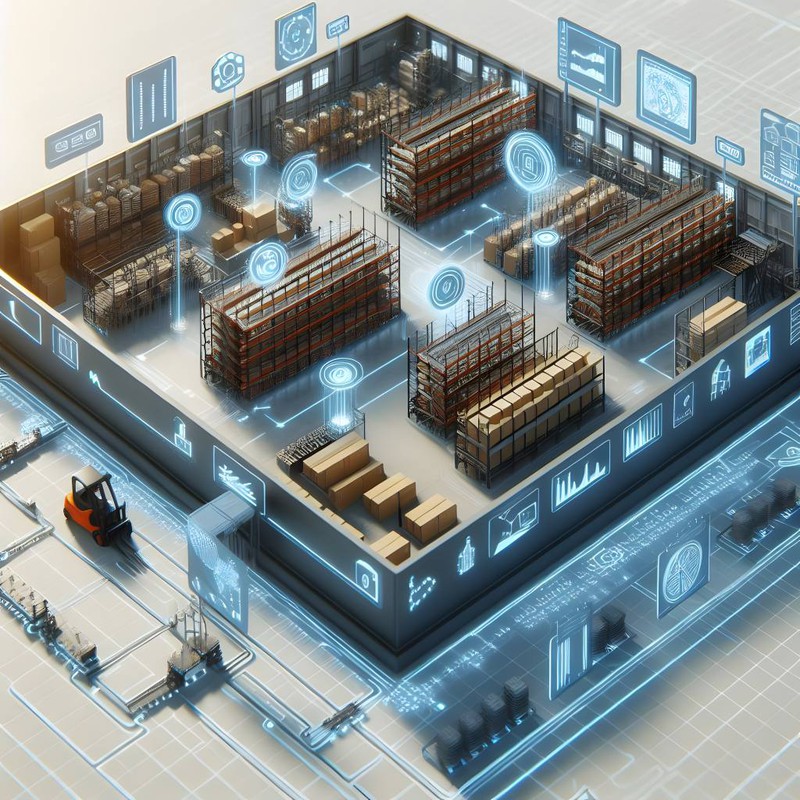
Looking ahead, smart warehouse equipment will integrate even more deeply with digital twin technology, cloud computing, and big data. By building virtual models of warehouses, real-time simulation, optimization, and prediction will become possible, making logistics hub operations more transparent and controllable. Global logistics networks will become more interconnected and efficiently collaborative due to these intelligent warehouse equipment solutions. For logistics companies striving for operational excellence, investing in smart warehouse equipment is no longer an option but a critical determinant of their future competitiveness.